

Older homes in Utah offer unique charm, character, and established neighborhoods that new construction can’t replicate. However, these properties also present distinct challenges that buyers must understand before committing to a purchase. From foundation problems caused by Utah’s expansive clay soils to outdated electrical systems that pose fire hazards, older homes require thorough inspection and realistic renovation budgets.
This guide identifies five critical issues commonly found in older Utah homes, explains how to detect these problems during inspections, and outlines what repairs typically cost. Whether you’re considering a charming bungalow in St. George’s historic district or a mid-century ranch in established neighborhoods, understanding these challenges helps you make informed decisions and negotiate fair prices.
Key Takeaways
- Foundation issues from expansive Utah soils cause cracks, uneven floors, and structural instability requiring $5,000-$25,000 repairs
- Outdated plumbing with galvanized pipes corrodes over time, leading to leaks, low pressure, and costly repiping projects
- Knob-and-tube or aluminum wiring presents fire hazards and insurance challenges in pre-1970s homes
- Aging HVAC systems lack efficiency and may use outdated refrigerants requiring complete replacement
- Asbestos, lead paint, and radon commonly appear in pre-1980 construction requiring professional abatement
- Comprehensive inspections are essential before purchasing older properties to identify hidden costs
Foundation Cracks and Settlement
Foundation problems rank among the most serious and expensive issues in older Utah homes. Utah’s expansive clay soils shrink during dry periods and swell when wet, creating continuous pressure on foundations that causes cracks, shifting, and settling over decades. Buyers should look for visible cracks in basement walls, uneven or sloping floors, doors that stick or won’t close properly, and gaps between walls and ceilings or floors.
Professional foundation inspections cost $300-$600 but can reveal problems requiring $5,000-$25,000 or more to repair depending on severity. Minor cosmetic cracks may need simple sealing, while major structural issues could require foundation underpinning, drainage improvements, or complete replacement in extreme cases. Before making offers on older properties, buyers should complete thorough home inspection preparation to identify these concerns early.
Outdated Plumbing Systems
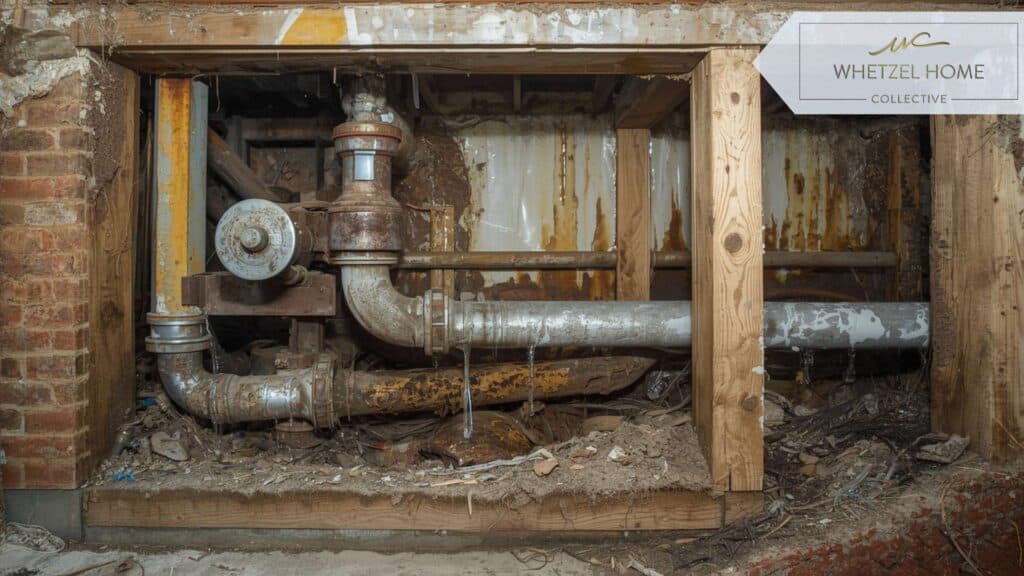
Many Utah homes built before the 1970s contain galvanized steel pipes that corrode from the inside out over 40-50 years. This corrosion restricts water flow, causes low pressure, and eventually leads to leaks and water damage throughout the home. Buyers should watch for rusty water, frequent leaks, low water pressure, visible pipe corrosion, and outdated fixtures that waste water.
Complete repiping projects typically cost $4,000-$15,000 depending on home size and pipe accessibility. Some older homes also feature clay or cast-iron sewer lines that crack over time, allowing tree roots to intrude and cause blockages or complete collapses. Licensed plumbers can conduct camera inspections of sewer lines for $200-$400 to identify these hidden problems before purchase. Understanding common home issues in Saint George helps buyers recognize plumbing red flags specific to older Southern Utah properties.
Electrical System Hazards
Electrical systems in pre-1970s Utah homes often include dangerous wiring that doesn’t meet modern safety codes. Knob-and-tube wiring used from 1880-1940s lacks grounding, can’t handle modern electrical loads, and presents fire risks. Single-strand aluminum wiring installed between 1965-1973 expands and contracts differently than connections, creating fire hazards at outlets and switches.
Outdated electrical panels may lack adequate circuits for modern appliances, use obsolete fuse systems instead of circuit breakers, and can’t support air conditioning or electric vehicle charging. Complete electrical panel upgrades cost $1,500-$3,000, while whole-house rewiring runs $8,000-$15,000 or more. Many insurance companies refuse coverage or charge premium rates for homes with knob-and-tube or aluminum wiring until it’s replaced. Buyers should review what questions to ask when buying a house including specific inquiries about electrical system age and recent updates.
Aging HVAC Systems
Heating and cooling systems in older Utah homes often operate inefficiently and may be nearing the end of their useful lifespan. Furnaces typically last 15-20 years while air conditioners function for 10-15 years, meaning systems in homes built before 2000 likely need replacement. Older systems lack modern efficiency ratings, use outdated refrigerants being phased out by EPA regulations, and cost significantly more to operate than newer models.

Furnace replacement costs $3,000-$6,000 while central air conditioning runs $3,500-$7,500 depending on home size and system efficiency. Many older homes also have inadequate insulation, outdated ductwork with air leaks, and poor ventilation that reduces system performance. Buyers should request maintenance records and have HVAC systems professionally inspected to assess remaining lifespan and operation costs. Those evaluating older properties can learn about energy efficiency considerations in Saint George’s climate which affects utility costs and system requirements.
Hazardous Materials Present
Homes built before 1980 commonly contain hazardous materials that require professional abatement. Asbestos appears in insulation, floor tiles, siding, and popcorn ceilings—disturbing these materials releases dangerous fibers that cause serious health problems. Lead paint covers walls, trim, and windows in most pre-1978 homes, creating risks especially for children when it chips or is sanded during renovations.
Radon gas seeps through foundation cracks in many Utah areas, accumulating to dangerous levels in basements and lower floors. Professional testing costs $150-$300 and mitigation systems run $800-$2,500 if elevated levels are detected. Asbestos abatement ranges from $1,500-$3,000 for small projects to $15,000+ for whole-house remediation. Lead paint remediation costs vary widely based on extent and chosen method—encapsulation runs cheaper than complete removal. Buyers should understand property disclosure requirements that require sellers to reveal known hazardous materials.
Roof and Exterior Issues
Roofs on older Utah homes may show wear from decades of exposure to intense sun, winter snow loads, and temperature fluctuations. Shingle roofs typically last 20-25 years, meaning homes built before 2000 often need replacement. Buyers should inspect for missing or damaged shingles, sagging sections, water stains on interior ceilings, and worn flashing around chimneys and vents.
Complete roof replacement costs $5,000-$15,000 depending on home size, pitch, and material quality. Older homes also frequently have deteriorating siding, rotting window frames and trim, inadequate drainage causing water to pool near foundations, and outdated gutters that don’t properly channel water away from the home. These exterior issues allow moisture penetration that leads to mold, wood rot, and interior damage if not addressed. Sellers preparing older properties can review what repairs to make before selling to address these concerns proactively.
Water Damage and Moisture
Hidden moisture problems plague many older Utah homes, causing structural damage, mold growth, and indoor air quality issues. Buyers should investigate musty odors in basements or crawl spaces, water stains on walls or ceilings, peeling paint or wallpaper, warped floors, and visible mold growth. Basements in older homes often lack proper waterproofing and drainage systems that prevent groundwater intrusion.
Professional moisture inspections identify hidden problems behind walls and under floors using thermal imaging and moisture meters. Mold remediation costs $500-$6,000 depending on extent and location. Basement waterproofing ranges from $2,000-$10,000 for interior drainage systems to $10,000-$25,000 for exterior excavation and waterproofing. Poor drainage around foundations, clogged gutters, and grading that slopes toward the home all contribute to moisture problems that worsen over time if ignored.
Window and Insulation Problems
Single-pane windows in older Utah homes waste tremendous energy and provide little insulation against summer heat and winter cold. While historic preservation guidelines often discourage window replacement, weatherization techniques and storm windows can improve efficiency while maintaining original character. Completely replacing windows costs $300-$1,000 per window depending on size and quality.
Inadequate insulation in walls, attics, and crawl spaces increases utility costs and reduces comfort. Many older homes have settled insulation that’s lost effectiveness, gaps around penetrations and wiring, and missing insulation in additions or remodeled areas. Adding attic insulation costs $1,500-$3,500 while wall insulation runs $3,000-$7,500 depending on home size and chosen method. Buyers evaluating historic properties in St. George should understand how original features affect energy efficiency and renovation options.
Inspection and Negotiation Strategies
Comprehensive professional inspections are essential when buying older Utah homes. Standard inspections cost $400-$600 but may require additional specialized inspections for foundations, electrical, plumbing, HVAC, hazardous materials, pests, or structural engineering. Total inspection costs can reach $1,500-$2,500 for older homes requiring multiple specialists, but this investment prevents surprise costs after purchase.
Use inspection findings to negotiate purchase price reductions, request seller repairs before closing, or secure repair credits at closing to address issues yourself. Major problems like foundation issues, hazardous wiring, or failing systems justify significant price adjustments or may indicate walking away entirely. Buyers should also obtain renovation estimates before making offers to ensure total costs fit their budgets. Understanding the due diligence checklist ensures thorough evaluation before committing to older properties.
Budgeting for Renovations
Older home buyers should budget 10-20% of purchase price for immediate repairs and deferred maintenance. A $400,000 older home might require $40,000-$80,000 in first-year renovations to address safety issues, failing systems, and basic updates. Creating a prioritized repair list helps buyers tackle critical issues first foundation, roof, electrical, and plumbing—before cosmetic improvements.

Some buyers prefer purchasing older homes at lower prices with renovation budgets rather than paying premiums for move-in-ready properties. This strategy works when buyers have cash reserves, renovation expertise, and realistic timelines for completing work. However, underestimating costs and timelines causes financial stress and project abandonment. Lenders offering renovation mortgages like FHA 203(k) or Fannie Mae HomeStyle loans allow buyers to finance both purchase and repairs in single mortgages. Buyers can learn how to increase home value through strategic renovations that improve livability while building equity.
Historic Preservation Considerations
Some older Utah homes qualify for historic designation which provides tax credits but imposes renovation restrictions. The National Park Service requires preserving original materials and architectural features where possible, using historically appropriate materials for replacements, and maintaining building character and appearance. These requirements can increase renovation costs but preserve cultural heritage and may provide tax benefits.
Buyers considering historic properties should research local preservation ordinances, available tax incentives, and required approval processes before purchase. Some find preservation requirements too restrictive while others value the opportunity to maintain architectural integrity. Working with contractors experienced in historic renovation ensures compliance while achieving desired results. Those exploring St. George historic neighborhoods should understand how preservation guidelines affect renovation options and costs.
How Buying Utah Houses Helps
Buying Utah Houses connects buyers with experienced inspectors, contractors, and specialists who understand older home challenges. Our team helps buyers evaluate renovation costs, negotiate based on inspection findings, and develop realistic budgets that account for both immediate repairs and long-term maintenance. We understand which older home issues represent deal-breakers versus manageable projects that create value.
Our knowledge of St. George and Southern Utah’s older neighborhoods helps buyers identify areas with well-maintained historic homes versus those with widespread deferred maintenance. We also connect buyers with lenders offering renovation financing programs that make older home purchases feasible for those without large cash reserves. Whether you’re attracted to character-rich older homes or prefer modern construction, our team provides honest guidance about what each property type offers. Buyers can explore available properties by reviewing homes for sale in St. George across all age ranges and styles.
Frequently Asked Questions
Should I buy an older home or new construction?
Both offer advantages depending on priorities. Older homes provide character, established neighborhoods, mature landscaping, and lower per-square-foot prices. New construction offers modern systems, warranties, energy efficiency, and fewer immediate repairs. Buyers should compare new construction versus resale properties to understand trade-offs.
How much should I budget for older home repairs?
Plan for 10-20% of purchase price in first-year repairs and ongoing maintenance. A $500,000 older home might need $50,000-$100,000 for deferred maintenance, system replacements, and updates. Get pre-purchase inspections and contractor estimates to develop accurate budgets.
Can I get a mortgage for a home needing major repairs?
Yes, through renovation loan programs like FHA 203(k) or Fannie Mae HomeStyle that finance both purchase and repairs. These require detailed contractor estimates, approved projects, and structured draw schedules but make older home purchases feasible for buyers without large cash reserves.
Are older Utah homes more expensive to insure?
Often yes, due to outdated electrical systems, older plumbing, and higher replacement costs. Homes with knob-and-tube wiring or aluminum wiring may face coverage denials or premium surcharges until upgraded. Get insurance quotes before making offers to avoid surprises.
What’s the most important inspection for older homes?
Foundation and structural inspections identify the costliest problems. However, comprehensive evaluations covering electrical, plumbing, HVAC, roof, and hazardous materials are all critical for older properties where multiple systems may need attention.
How do I know if foundation cracks are serious?
Hairline cracks under 1/4 inch are often cosmetic while wider cracks, horizontal cracks, or cracks with vertical displacement indicate structural issues requiring professional evaluation. Look for patterns like stair-step cracks in brick, multiple cracks radiating from corners, and accompanying symptoms like sticking doors or sloping floors.
Can old electrical wiring be partially updated?
Yes, but mixing old and new systems requires careful planning to ensure safety. Many buyers upgrade only critical areas initially kitchen, bathrooms, bedrooms then complete remaining areas as budgets allow. Licensed electricians can design phased approaches that maintain safety while spreading costs.
What areas should I focus on first?
Address safety and structural issues first: foundation problems, electrical hazards, plumbing leaks, roof failures, and hazardous materials. These prevent further damage and make homes safe and habitable. Cosmetic improvements come later once critical systems function properly.
Are older homes harder to sell later?
Well-maintained older homes with updated systems sell competitively in established neighborhoods buyers desire. However, homes with deferred maintenance, outdated systems, and visible problems take longer to sell and command lower prices. Strategic updates preserve marketability.
How do I find contractors for older home renovations?
Seek contractors with historic renovation experience who understand older construction methods, appropriate materials, and preservation requirements. Check references, verify licenses and insurance, and get multiple bids for major projects. Local preservation organizations often maintain lists of qualified contractors.
Conclusion
Buying an older home in Utah offers unique rewards for buyers who understand and prepare for common challenges these properties present. Foundation issues, outdated plumbing and electrical systems, aging HVAC equipment, hazardous materials, and deferred maintenance all require attention but don’t necessarily disqualify properties from consideration. Thorough professional inspections, realistic renovation budgets, and strategic negotiation based on findings allow buyers to purchase older homes confidently and avoid costly surprises.
The character, established neighborhoods, mature landscaping, and architectural details found in older Utah homes create appeal that new construction can’t replicate. By identifying problems before purchase, obtaining accurate repair estimates, and planning systematic improvements, buyers transform older properties into beautiful, functional homes while building equity through strategic renovations. Working with experienced professionals who understand older home challenges ensures successful purchases and renovations that preserve these properties for future generations.